What Does Your Electric Meter Actually Measure — and What Does That Mean for Plug-In Devices?
Understanding one basic distinction about electricity can help you evaluate products marketed to reduce household energy costs.
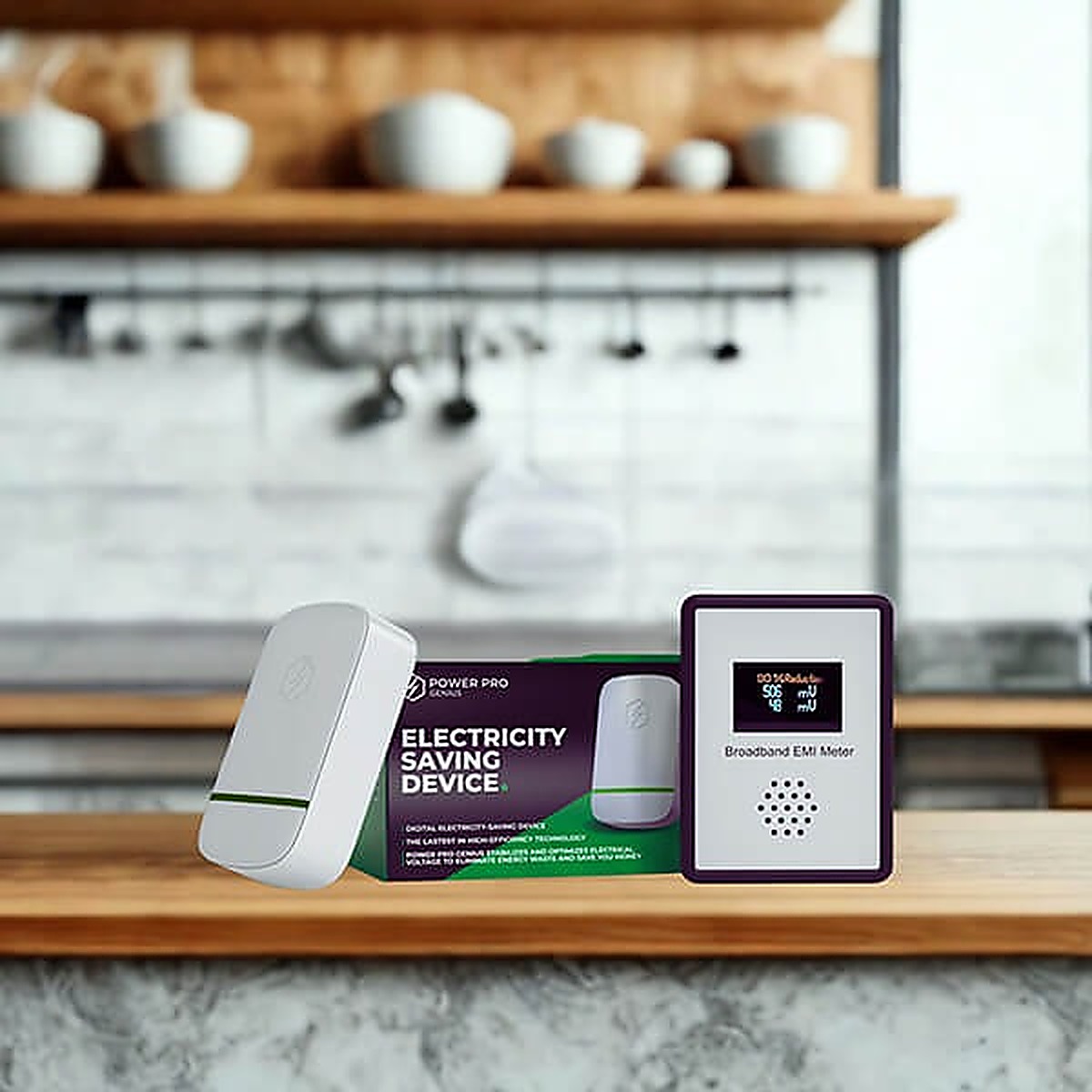 Power Pro Genius: Shown alongside retail packaging and digital testing meter.
Look at your electricity bill and you will usually find a number measured in kilowatt-hours, or kWh.
That number is important because it represents the amount of electrical energy consumed over a billing period.
But when you start researching plug-in devices marketed for energy management, you may encounter several other terms: current, voltage, watts, and power factor.
They all describe aspects of electricity, but they do not mean the same thing.
Understanding the difference is a useful first step before evaluating any device that claims to help manage electrical power.
Watts, Kilowatt-Hours, and the Electricity Bill
Watts measure electrical power. Kilowatt-hours measure energy consumed over time.
For example, a 1,000-watt appliance running for one hour consumes approximately one kilowatt-hour of energy.
Your actual bill depends on your utility's rate structure, applicable fees, and how much energy is recorded for billing.
Power factor is another electrical concept. It describes the relationship between real power and apparent power in an AC electrical system.
Improving power factor can matter in certain commercial and industrial settings. However, residential customers billed primarily for kilowatt-hours do not necessarily save money simply because a device changes power factor.
This distinction is particularly relevant when evaluating plug-in energy-management products.
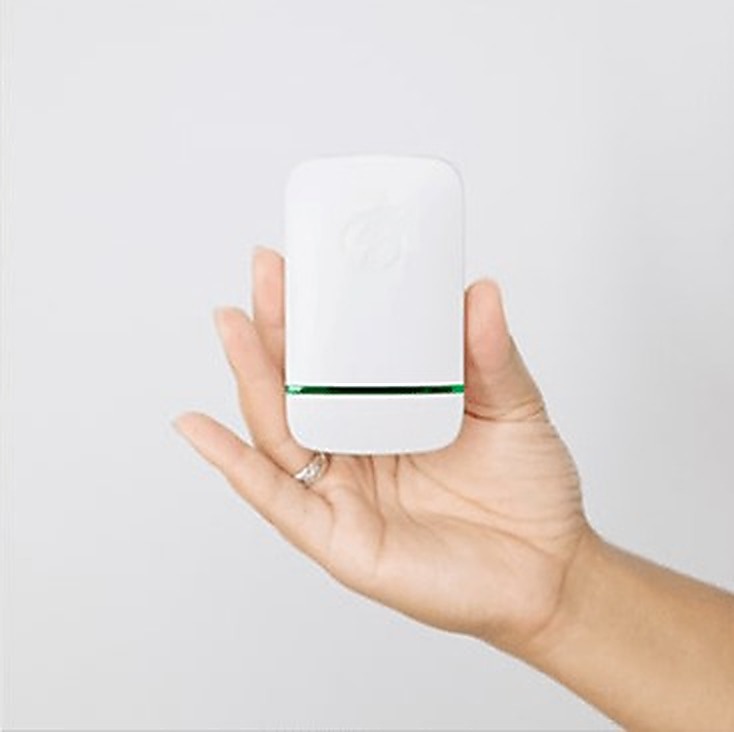 Compact palm-sized form factor: Power Pro Genius unit held in hand.
Where Does Power Pro Genius Fit In?
Power Pro Genius is marketed as a plug-in device for household electrical power management.
The important question is not just whether the device changes an electrical measurement. It is whether the product delivers a meaningful, independently verifiable benefit under the conditions in which it is used.
That requires more than a description of its technology.
Useful evidence would include properly controlled measurements of actual energy consumption, clear testing conditions, and technical documentation explaining what the device does.
Without that evidence, a specific savings claim should not be treated as established fact.
What Should You Check Next?
If you are considering Power Pro Genius, take a closer look at its stated operating principle, the manufacturer's performance claims, and any available independent testing.
The product presentation is a place to begin examining the manufacturer's explanation. Be sure to evaluate any promised benefits against supporting evidence.
Sponsored content. Electrical concepts are explained for general informational purposes. Product performance and savings should not be assumed without appropriate evidence.